From Symptoms to Solutions

From Symptoms to Solutions is a dedicated category that addresses a wide range of unwanted symptoms affecting physical and mental health. This section provides in-depth explorations of individual symptoms—such as weight gain, fatigue, anxiety, and digestive issues—along with insights into their potential causes, which may include lifestyle factors, nutritional deficiencies, and psychological stressors.

Each entry not only identifies the symptom and its implications but also offers actionable solutions tailored to promote healing and improvement. Readers will find evidence-based nutritional advice, practical lifestyle changes, and holistic approaches designed to alleviate discomfort and enhance overall wellness.

By empowering individuals with knowledge and resources, From Symptoms to Solutions aims to foster a proactive approach to health, encouraging readers to take charge of their well-being and make informed choices that lead to a healthier, more balanced life.

Aphasia (Speech-Language Pathology)

Aphasia (Speech-Language Pathology)

Aphasia is a language disorder that affects a person’s ability to communicate, typically caused by damage to the brain, most often due to a stroke, head injury, brain tumor, or neurological disease. It impairs one or more aspects of communication, including speaking, understanding, reading, and writing, while intelligence remains largely intact. Types of Aphasia: Aphasia […]

Aphasia (Speech-Language Pathology) Read More »
The Treatment Of Cirrhosis

Cirrhosis

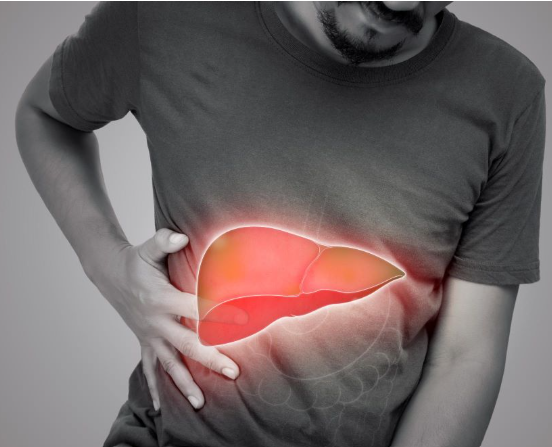
Cirrhosis is a chronic liver disease where healthy liver tissue is replaced by scar tissue (fibrosis). This scarring blocks blood flow through the liver and interferes with its normal functions (detoxification, making proteins, storing energy). Causes of Cirrhosis: 1. Chronic Alcohol Use (Alcoholic Liver Disease) 2. Chronic Viral Hepatitis 3. Non-Alcoholic Fatty Liver Disease (NAFLD

Cirrhosis Read More »

Hair loss

Hair loss

Hair loss, also known as alopecia, refers to the partial or complete loss of hair from areas of the body where it normally grows, most commonly the scalp. It can occur gradually or suddenly and may be temporary or permanent. Hair loss can result from a variety of causes, including genetics, hormonal changes, medical conditions,

Hair loss Read More »

Epilepsy2

Epilepsy

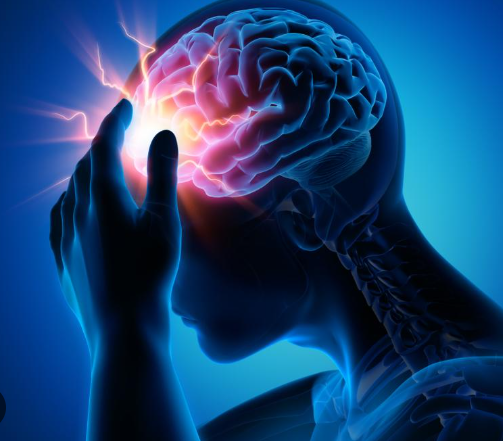
Epilepsy is a chronic neurological disorder characterized by a tendency to have recurrent, unprovoked seizures due to abnormal electrical activity in the brain. The causes of epilepsy: The causes of epilepsy can vary depending on age, genetics, and health conditions. In many cases, the exact cause is unknown (called idiopathic epilepsy). Here are the main

Epilepsy Read More »

Tuberculosis 1

Tuberculosis

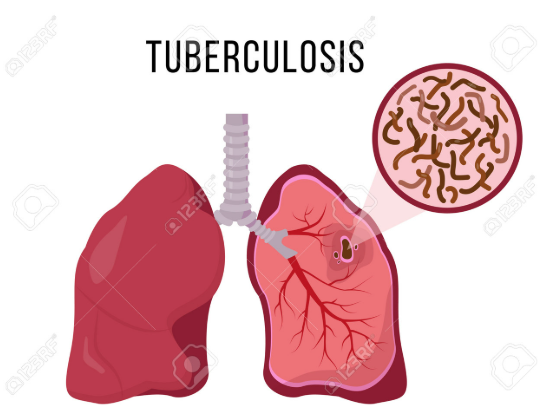
Tuberculosis (TB) is a contagious infectious disease caused by the bacterium Mycobacterium tuberculosis. It most commonly affects the lungs (pulmonary TB), but can also spread to other organs such as the kidneys, spine, or brain (extrapulmonary TB). Causes: Symptoms of Pulmonary TB (lungs) Symptoms of Extrapulmonary TB (other organs) Treatment of Tuberculosis: 1. Antibiotic Therapy

Tuberculosis Read More »

Narcolepsy

Narcolepsy

Narcolepsy is a chronic sleep disorder that affects the brain’s ability to control sleep-wake cycles. People with narcolepsy often experience excessive daytime sleepiness and may suddenly fall asleep at inappropriate times, even during activities like talking, eating, or driving. This condition can seriously impact daily life, work, and safety. Causes: Narcolepsy is mainly caused by

Narcolepsy Read More »

Eczema123

Eczema

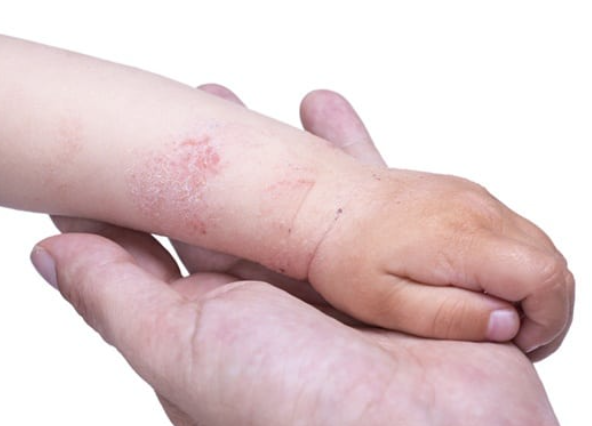
Eczema (also called atopic dermatitis) is a chronic skin condition that causes inflammation, redness, itching, and dryness. It is common in children but can affect people of all ages. Eczema is not contagious but tends to flare up periodically. Causes of Eczema: Eczema doesn’t have a single cause; it develops from a mix of genetic,

Eczema Read More »